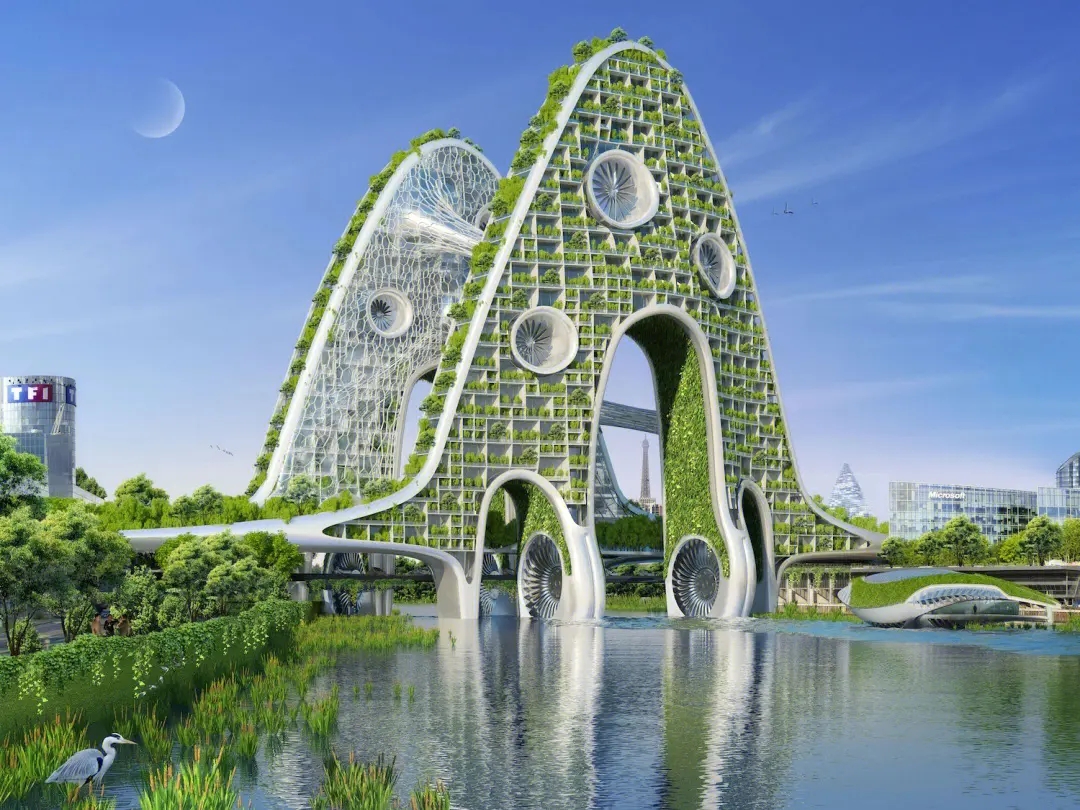
Some enterprises have significantly reduced energy consumption, and there is a green premium in green buildings
In recent years, real estate enterprises, as the "big spenders" of carbon emissions, require a large amount of energy in all aspects, from the extraction of building materials to the operation of buildings after completion. At the same time, due to the wide range of industries involved, there is more space for carbon emissions to be compressed.
From a specific numerical perspective, listed companies such as China Overseas Development, China Merchants Shekou, China Jinmao, Henglong Real Estate, and Taikoo Real Estate have a comprehensive energy consumption of less than 4 tons of standard coal per million yuan, significantly lower than the values of other listed companies. In other words, these enterprises consume less energy for every 1 million yuan of revenue generated, which improves energy efficiency.
In addition, according to data from Jones Lang LaSalle, the green premium range for rent in the first tier office building market in mainland China is between 2% and 10%, with asset premium performance being more prominent for high-level green certifications such as LEED gold and platinum.
According to the supply-demand relationship in economics, when demand exceeds supply, that is, when supply exceeds demand, it will lead to an increase in the price of goods, thereby reducing the demand for goods or adopting other substitutes. This economic theory also explains well that when a city has sufficient stock of green certified Grade A office buildings, its rental premium is lower than that of a city with low stock.